Learn
New to hardwood, or just weighing your options? Here's the plain-English rundown we give every customer, so you can choose a floor you'll love for decades.

Why hardwood?
Solid hardwood offers a range of grain patterns, natural color variation, and the warmth of a real, natural material, and no two floors are exactly alike. It's durable, it adds value to your home, and unlike most flooring, it can be sanded and refinished again and again instead of replaced.
With the right care, a quality hardwood floor can outlast the house's carpet, paint, and appliances several times over.
The big question
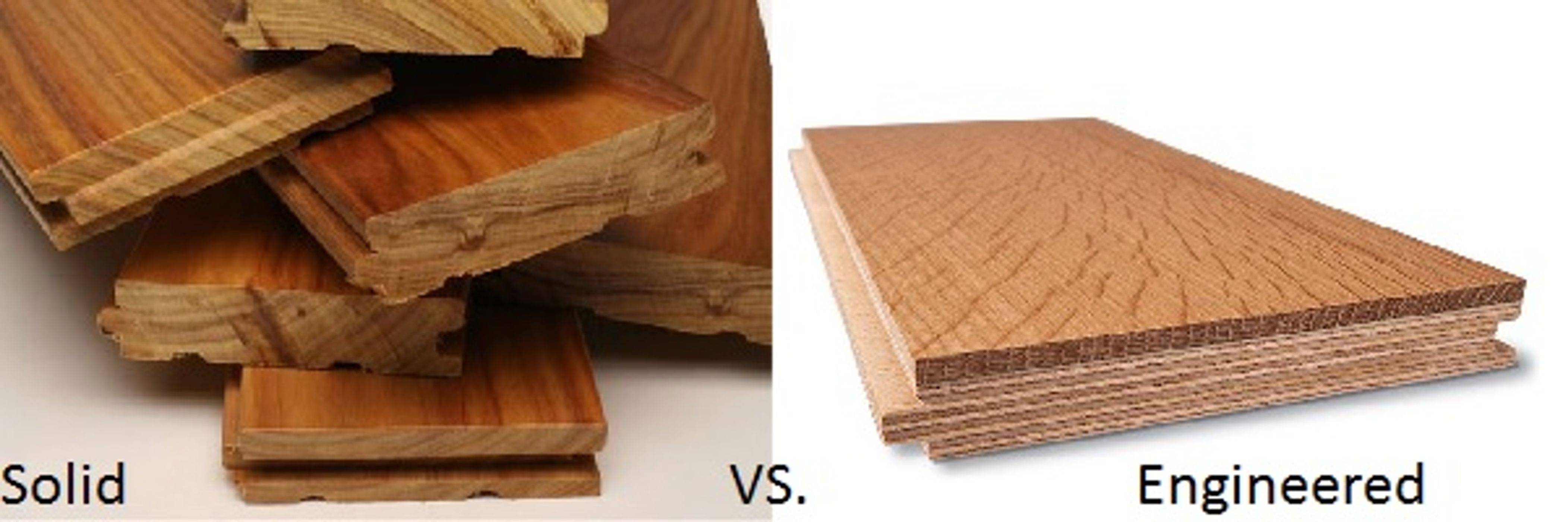
Both are real wood. The difference is how they're built, and that changes where each one works best.
A single, solid piece of wood, typically ¾" thick. It can be sanded and refinished many times, making it a true lifetime floor. Because solid wood expands and contracts with humidity, it's best installed at or above ground level, not in basements.
A real-wood top layer bonded over multiple cross-layered plies. That construction resists expansion and contraction, so it's stable enough for basements and wide-plank looks. It can usually be refinished, just not as many times as solid wood.
Finishing
Should your floor be finished in your home, or arrive pre-finished from the factory? Here's the trade-off.
Installed raw, then sanded and finished in place. You get a perfectly smooth, seamless surface and unlimited color choice, but it takes longer and involves sanding dust and dry time before you can walk on it.
Finished under controlled factory conditions with tough, durable coatings. It installs fast with little mess and is ready to walk on right away, with micro-beveled edges between boards and a set range of colors.

Where it can go
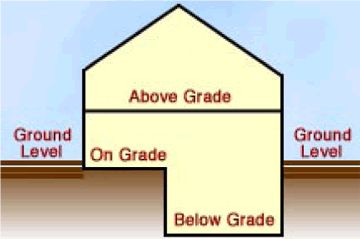
"Grade" also describes a floor's height relative to ground level, and it decides which product fits. Above grade and on grade (ground floor and up) suit solid or engineered wood. Below grade (basements) sees more moisture, so we recommend engineered wood or luxury vinyl for their added stability.
Not sure what level you're working with? Tell us about the space and we'll point you to the right product.
Color
A quick look at classic finishes on oak. Actual color varies by species, grade, and lighting, so always test on your own floor.
Colors shown are representative; actual results vary by wood species, grade, and lighting. Ask us for physical samples before you decide.
That's what we're here for. Bring us your space and we'll help you land on the perfect floor.
Get expert advice, free